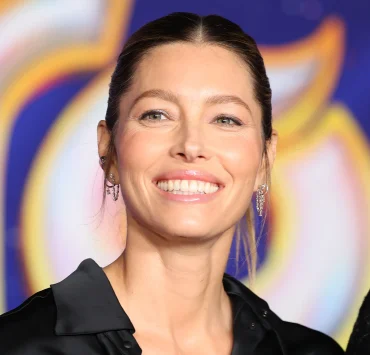
Taylor Swift Fake AI Explicit Images: White House Reacts to Disturbing Photos

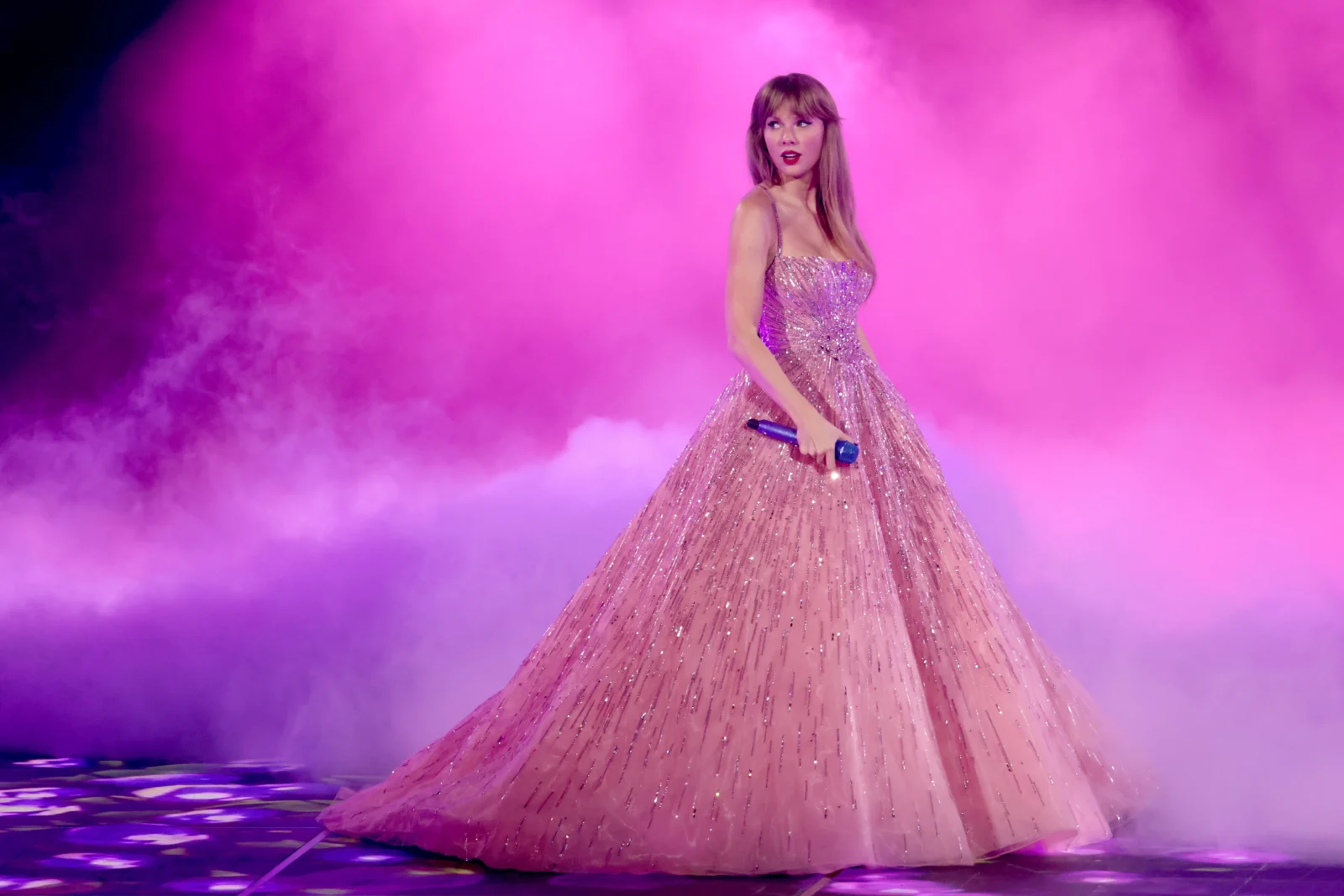
Public figures and organizations are raising their voices against the proliferation of counterfeit A.I.-generated visuals featuring Taylor Swift.
In recent days, manipulated sexually explicit images of Taylor Swift have inundated various social media platforms, all crafted through artificial intelligence technology.
This dissemination has elicited strong reactions from prominent entities like SAG-AFTRA and White House Press Secretary Karine Jean-Pierre.
SAG-AFTRA’s Call to Action
SAG-AFTRA, in a resolute statement, expressed profound distress regarding the circulation of sexually explicit A.I.-generated depictions of Taylor Swift. The organization deems these visuals not only disturbing but also potentially injurious. They advocate for stringent measures to combat the creation and propagation of fabricated images, particularly those of a salacious nature, without the subject’s consent. Stressing the need for proactive legislation, SAG-AFTRA endorses Congressman Joe Morelle’s initiative, the Preventing Deepfakes of Intimate Images Act. The aim is to proactively curb the exploitation of individuals through illicit image manipulation. Their support extends to Taylor Swift and women worldwide who endure such breaches of privacy and autonomy.
White House Stance and Legislative Urgency
Karine Jean-Pierre, the White House Press Secretary, urges swift legislative action from Congress in response to the proliferation of sexually explicit deepfake images. Expressing deep concern over the dissemination of falsified imagery, Jean-Pierre emphasizes the gravity of the situation. While acknowledging the autonomy of social media platforms in content management, she underscores their pivotal role in stemming the spread of misinformation and non-consensual intimate content. She advocates for legislative intervention to empower regulatory measures against the distribution of falsified imagery.
Historical Context and Debunked Rumors
Rumors had previously surfaced alleging that a renowned actor had authorized the use of their likeness by a deepfake company. However, subsequent investigations debunked these claims, highlighting the complexity and urgency of combating digital misrepresentation.
In conclusion, the emergence of counterfeit A.I.-generated imagery poses profound ethical and legal challenges. As stakeholders engage in discourse and advocacy, the imperative for legislative action to safeguard individual privacy and integrity becomes increasingly apparent. It is a collective responsibility to navigate the evolving landscape of digital ethics and ensure the protection of personal agency in the digital realm.